![[?] Header – Logo web 600px](http://www.yogistar.com/cdn/shop/files/yogistar-logo-web_600px.png?v=1741100889&width=400)






 English
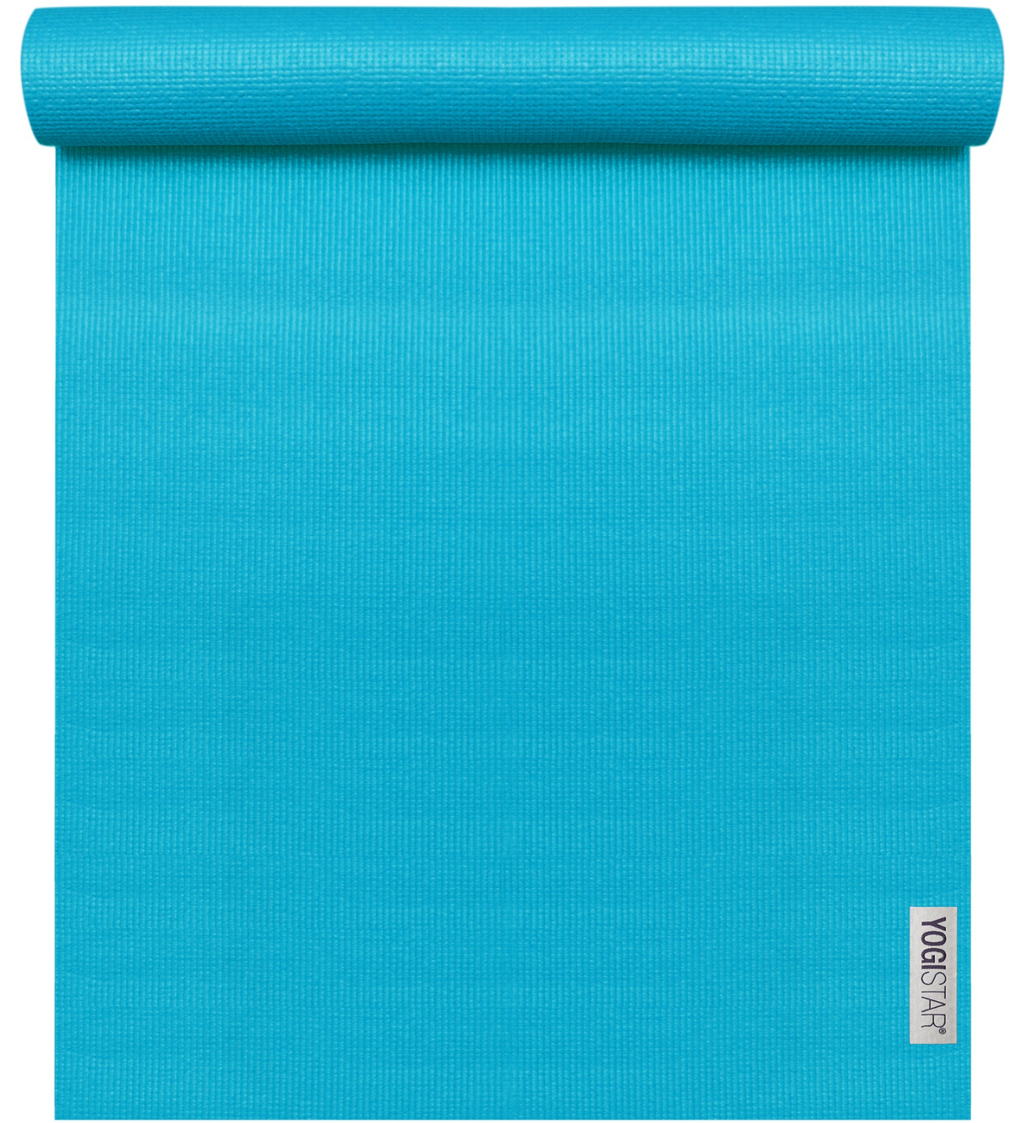
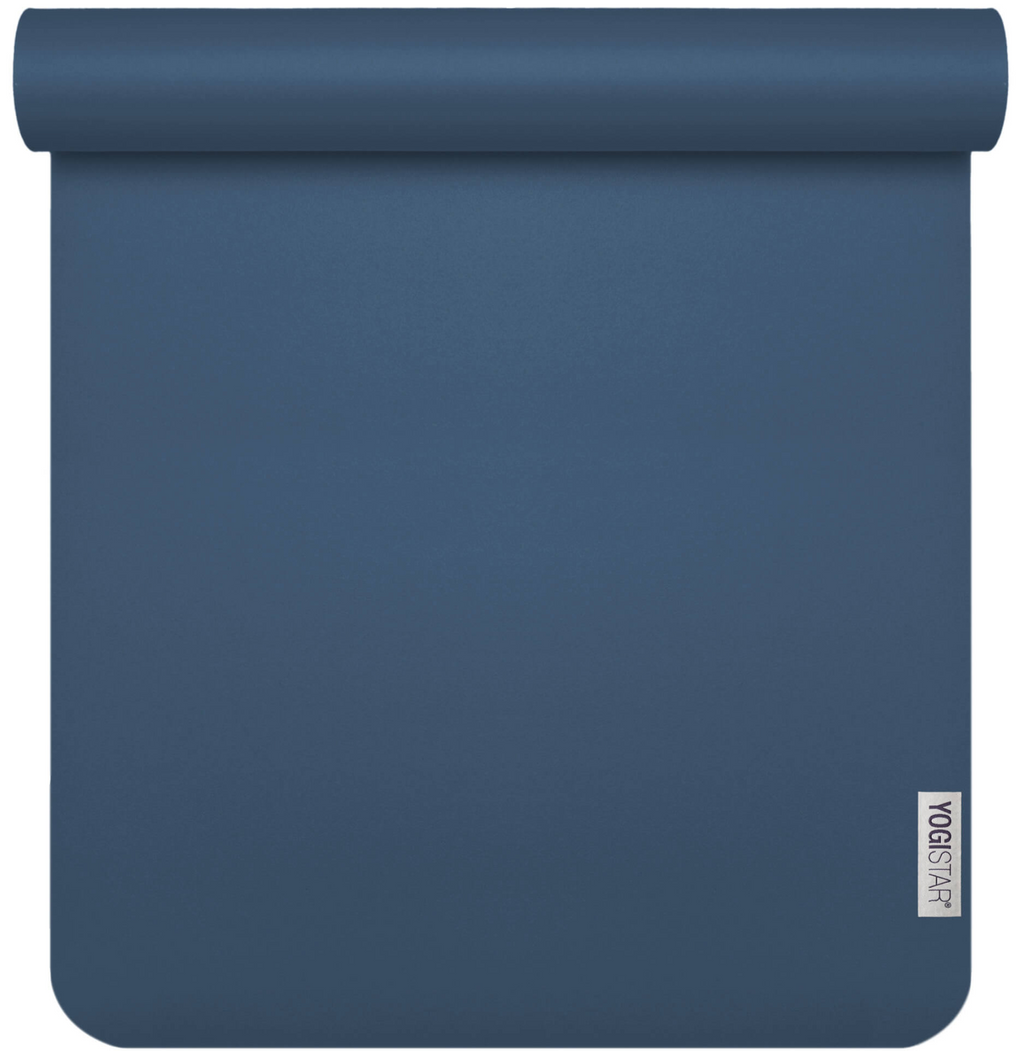
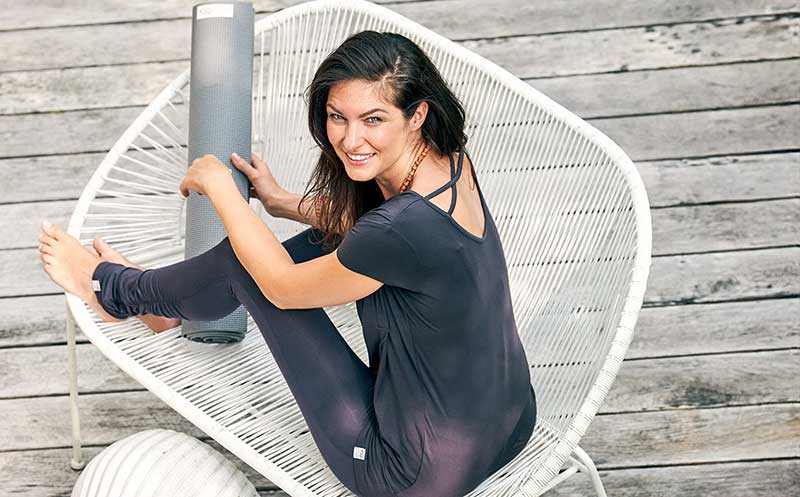
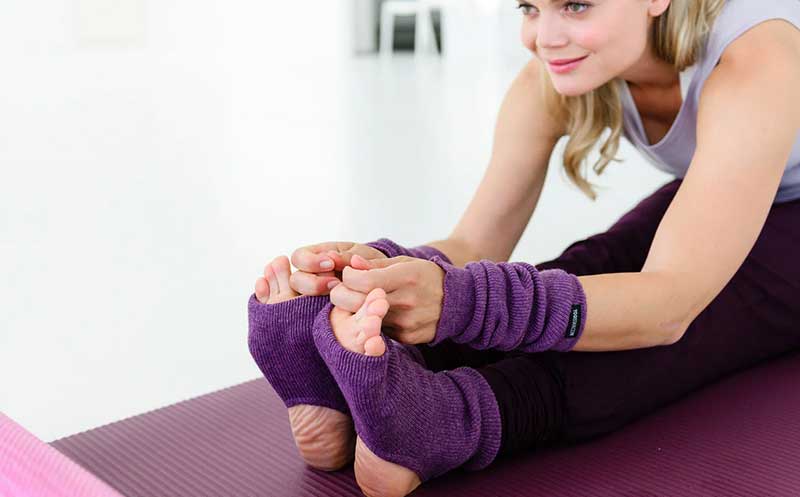
A diverse range of yoga equipment is your basis for asana practice
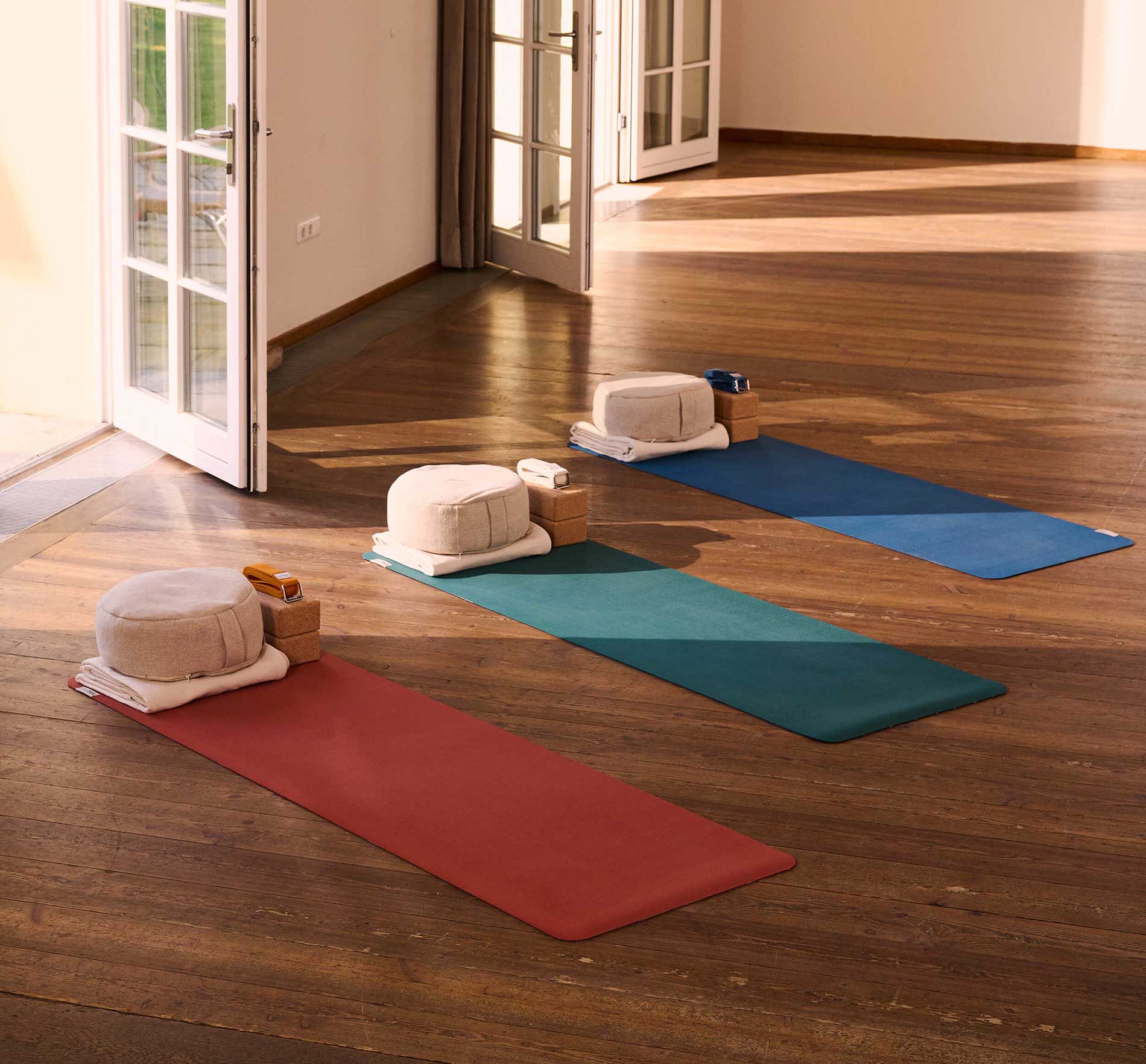

Yoga blocks, yoga straps, bolsters, and other tools—such as the yoga wheel or headstand stool—help you make your yoga practice versatile and tailor it to your individual needs. They serve as aids and support, but can also be used to adapt asanas into more advanced variations—for example, by using your yoga tools to intensify the stretch in a pose.
Yoga tools add variety to your yoga practice and help you refine it so that you can gradually work your way into poses, minimize the risk of injury (by not pushing yourself too hard, but rather practicing with support) and achieve proper alignment in the poses. They open up new possibilities for your asana practice and also for your relaxation.
What exactly is meant by “yoga equipment”?
Yoga equipment, in the narrower sense, refers to yoga tools used directly in asana practice (see overview) and goes beyond the basic product— Yoga mat. In addition, the term can also encompass various yoga-related accessories and products, such as yoga bags (bags for yoga mats) or meditation cushions—essentially any yoga accessory. Yoga straps for aerial yoga can also be included under the term “yoga equipment.”
Yoga Equipment at Overview: Various Tools
The yoga Yoga belt
Yoga straps are particularly—though not exclusively—popular in Iyengar yoga. Yoga straps can bridge gaps (for example, when the hands don’t meet in “bound poses”) and, of course, deepen stretches where desired.
The Yoga block
Yoga blocks are also among the props traditionally used extensively in Iyengar Yoga, but they are also widely utilized across various styles. Yoga blocks can be used for a variety of purposes to tailor or support a yoga pose in a way that makes sense for the individual. They are ideal for use in a wide range of asanas. Yoga blocks are now available in various shapes.
Yoga bolster
Most yoginis and yogis are familiar with bolsters primarily from restorative yoga and yin yoga. They provide the body with stability and support in passive poses and help promote letting go and relaxation.
Sandbags
Occasionally, it can be beneficial to use weights for added resistance and to place them on specific parts of the body during certain asanas. Sandbags are used for this purpose, for example in TriYoga.
The Headstand Stool
The headstand stool is a relatively new prop that makes it very easy to assume an inverted posture.
The Yogawheel
The yoga wheel is one of the latest innovations in yoga equipment. It is designed to facilitate deep backbends. It also adds a certain dynamism to the yoga practice, as it can roll and does not rest statically on the floor.
In addition to these tools for asana practice, at YOGISTAR you’ll find a wide range of yoga equipment—including yoga bags for various mat sizes and widths—as well as, of course, a beautiful selection of meditation cushions. In addition, we offer a wide variety of small and large yoga accessories—from specialized yoga mat cleaners and yoga towels to mat straps, acupressure mats, and much more—let us surprise you!
And last but not least: We’re your go-to source for yoga mats—the “sticky mat,” or non-slip Yoga mat, available in a wide variety of styles and options, is our core product.
So if you’re still looking for your Yoga mat —you’re guaranteed to find it here!
Examples of how to use “Yoga Equipment”—a small selection
Would you like some specific guidance on how and in which asanas, for example, the classic tools (Yoga block and Yoga belt) can be used?
In Shoulder Bridge (Setubandhasana), you can place a block between your knees so you can press your legs against the block and create tension. In Triangle Pose (Trikonasana), you can rest your hand on the yoga block if you can’t reach the floor. The same applies to the Half Moon Pose (Ardha Chandrasana). In the Fish Pose (Matsyendrasana), a Yoga block can be placed under the thoracic spine to enhance the “opening” in that area.
In Rajakapotasana, you can wrap the Yoga belt around the foot of your bent leg to create a connection between your hands and foot if you can’t reach your foot with your hands. In Navasana(the Boat Pose), you can wrap the Yoga belt around your toes and pull on it with your hands. In Supta Padangushthasana, you can wrap the Yoga belt around your foot and hold the ends of the strap in your hands to pull your foot closer to you.
These examples are just a few of many—as you can see, you can do a lot with these tools!
Materials, craftsmanship, and quality: Yoga equipment should be high-quality
The most important factor when selecting and purchasing yoga equipment is a focus on quality, because, of course, yoga equipment should be sturdy and reliable—and durable enough to ensure you’ll enjoy it for a long time in your yoga practice. At YOGISTAR, we draw on all our expertise to ensure that our yoga accessories fully meet these criteria.
Yoga Equipment and Material Selection
Sustainability is an issue whose urgency we’re all becoming increasingly aware of, and it’s important for all areas of life and consumer decisions. Of course, it also plays a role in yoga products. Organic cotton for yoga straps, cork for yoga blocks— YOGISTAR offers you options made from renewable raw materials and contemporary materials.
Is yoga equipment absolutely necessary for practicing asanas?
A Yoga mat is the primary piece of equipment needed for asana practice. Yoga equipment—that is, tools used in yoga—is generally optional. However, there are certain yoga styles in which specific yoga tools are used extensively, such as Iyengar Yoga and Yin Yoga.
Is this yoga equipment intended for beginners or advanced practitioners?
This question is easy to answer: both! Yoga props help beginners perform certain yoga poses at all (for example, yoga straps can serve as an extension when hands cannot clasp together due to a lack of flexibility, etc., yoga blocks can be used for support, and much more), and can be used by advanced practitioners to specifically intensify poses and thus make them a bit more challenging.
How do I use yoga equipment?
The use of yoga props is demonstrated and explained in many YouTube videos, online tutorials, instructional books, and DVDs. Of course, hands-on instruction in an in-person class is always recommended. There, you can ask questions and get personalized advice from your yoga teacher on how to use yoga equipment in the way that works best for you.